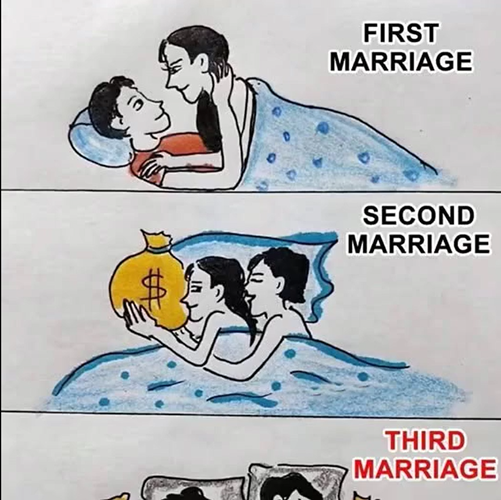
Marriage is often described as one of life’s most profound journeys—a dynamic and evolving partnership that reflects not only the bond between two people but also their individual growth over time.
Unlike a static contract, marriage is a living relationship shaped by experience, maturity, changing priorities, and personal transformation.
As individuals move from a first marriage to a second or even third, they often carry forward valuable lessons learned through both joy and hardship.
Each stage represents not failure or repetition, but evolution—an ongoing process of discovering what love, partnership, and commitment truly mean.
From youthful optimism to seasoned wisdom, the journey across multiple marriages reveals how deeply personal growth influences relational success.
While every union is unique, common themes often emerge: shifting expectations, emotional maturity, improved communication, and a clearer understanding of values and boundaries.
Whether entering marriage for the first time or beginning again later in life, the core foundation of a healthy relationship remains rooted in respect, empathy, honesty, and shared commitment.
The First Marriage: Idealism, Discovery, and Learning
For many individuals, a first marriage begins with hope, excitement, and a sense of possibility. Couples often enter this stage envisioning a shared future filled with companionship, achievement, and emotional fulfillment.
There is typically an abundance of optimism—an assumption that love alone will be enough to sustain the partnership through life’s challenges.
In early adulthood especially, first marriages may be shaped by romantic ideals influenced by culture, family examples, media portrayals, or personal dreams.
Couples might believe they are fully prepared for the responsibilities ahead, yet the realities of day-to-day life often introduce unexpected complexity.
Navigating Reality
The early years of marriage frequently reveal fundamental differences in communication styles, emotional expression, financial habits, conflict resolution approaches, and long-term goals.
Partners must learn to balance individuality with shared responsibility. Simple tasks—managing a household, dividing chores, budgeting, or deciding how to spend holidays—can become sources of tension if expectations are unclear.
Moreover, first marriages often coincide with other significant life transitions: building careers, relocating, starting families, or managing extended family relationships. These external pressures can test emotional resilience and highlight gaps in relational skills.
Because many individuals enter their first marriage without extensive experience in long-term partnership, they may not yet possess fully developed tools for resolving conflict constructively.
Misunderstandings can escalate when partners struggle to express needs clearly or listen without defensiveness. Over time, unresolved issues may create emotional distance.
Yet first marriages are also powerful classrooms. They teach lessons about compromise, vulnerability, patience, and the importance of shared responsibility.
Even when a first marriage does not endure, it often provides foundational insights that shape future relationships in meaningful ways.
The Second Marriage: Realism, Reflection, and Rebuilding
By the time someone enters a second marriage, the emotional landscape is typically different. Experience has replaced innocence. Reflection has replaced assumption.
Individuals often approach their second union with greater clarity about who they are and what they need in a partner.
Second marriages tend to be grounded in realism rather than idealism. Having navigated previous challenges, individuals may be more aware of potential pitfalls.
They often recognize the importance of open communication, clear boundaries, and mutual respect. Expectations may be less about perfection and more about compatibility, trust, and emotional safety.
Greater Self-Awareness
One of the most significant advantages of a second marriage is increased self-knowledge. Individuals often understand:
Their personal values and non-negotiables
Their communication strengths and weaknesses
Patterns they want to avoid repeating
The type of emotional support they require
This awareness can foster healthier dynamics from the outset. Partners may discuss finances, parenting philosophies, career ambitions, and long-term goals more thoroughly before committing.
They are often more willing to seek counseling or mediation if conflicts arise.
Blending Families and Financial Complexity
However, second marriages frequently introduce additional layers of complexity. Blending families can require extraordinary patience and sensitivity.
Children from previous relationships may experience loyalty conflicts, adjustment difficulties, or uncertainty about new family roles. Stepparents must build trust gradually, avoiding forced authority while demonstrating consistency and care.
Financial matters may also be more complicated. Previous obligations such as child support, alimony, shared property, or existing assets require transparent communication and careful planning.
Establishing clear agreements about budgeting, inheritance planning, and shared expenses becomes essential.
Emotional scars from earlier relationships can surface as well. Trust may need to be rebuilt slowly. Fear of repeating past mistakes can create anxiety.
Yet when addressed openly and compassionately, these challenges can strengthen rather than weaken the partnership.
For many individuals, the lessons learned in a first marriage become the foundation for a more stable and emotionally grounded second union.
The Third Marriage: Maturity, Authenticity, and Deep Companionship
Third marriages often reflect yet another transformation in perspective. By this stage, individuals frequently prioritize emotional intimacy, shared values, and mutual respect over societal expectations or traditional timelines.
There is often less pressure to meet external standards and more focus on internal fulfillment. Individuals entering a third marriage may have released unrealistic ideals and embraced authenticity.
They understand that lasting partnership requires acceptance of both strengths and imperfections.
Emotional Maturity
Emotional maturity tends to be a defining feature of many third marriages. Partners may demonstrate:
Greater empathy and perspective-taking
Improved conflict resolution skills
A calmer response to disagreements
Appreciation for autonomy within togetherness
Rather than attempting to change one another, partners may focus on supporting each other’s growth. Independence and interdependence are balanced thoughtfully.
Each individual maintains personal interests and friendships while nurturing shared experiences.
Third marriages often emphasize companionship. The relationship becomes a source of comfort, peace, and mutual understanding. The goal is not perfection but partnership rooted in wisdom and resilience.
Redefining Success
By the third union, many individuals redefine what marital success means. Instead of measuring success solely by longevity or public appearance, they may focus on emotional fulfillment, mutual growth, and authenticity.
This stage can represent renewal rather than repetition—a conscious choice to build something healthier and more aligned with present values.
The Universal Foundations of a Healthy Marriage
Regardless of whether a marriage is a first, second, or third, certain foundational elements remain essential.
Open and Honest Communication
Healthy communication forms the backbone of any successful partnership. This includes:
Expressing needs clearly and respectfully
Listening without interruption or defensiveness
Addressing concerns early rather than allowing resentment to build
Being transparent about finances, goals, and emotions
Couples who communicate effectively are better equipped to navigate misunderstandings and adapt to change.
Empathy and Patience
Life inevitably presents stressors: career transitions, health challenges, family obligations, and unexpected setbacks.
Empathy allows partners to support one another during difficult periods. Patience helps prevent minor disagreements from escalating into larger conflicts.
Shared Commitment to Growth
A lasting marriage requires ongoing effort. Growth is not automatic—it must be intentional. Couples who invest time in nurturing their emotional bond, setting shared goals, and celebrating milestones strengthen their connection over time.
Marriage thrives when partners view challenges not as threats but as opportunities for deeper understanding.
External Influences on Marriage
No marriage exists in isolation. Cultural background, family dynamics, financial stability, and personal ambitions all shape the nature of a relationship.
Cultural and Family Expectations
Cultural traditions may influence gender roles, decision-making processes, and expectations regarding extended family involvement. Navigating these factors requires mutual respect and adaptability.
Family history also plays a significant role. Individuals who witnessed healthy parental relationships may enter marriage with constructive models. Those who experienced conflict or instability may need to consciously develop healthier patterns.
Financial Stability and Career Demands
Economic stress can strain even strong relationships. Transparent budgeting, shared financial goals, and collaborative planning are crucial.
Likewise, career ambitions must be balanced with family responsibilities. Couples benefit from discussing how professional aspirations align with shared priorities.
Blended Families and New Traditions
In second or third marriages, blending families presents both challenges and opportunities. Creating new traditions can help build unity.
Establishing clear expectations for discipline, communication, and family roles fosters stability for children and adults alike.
The Importance of Emotional Bonding
At every stage of marriage, nurturing emotional intimacy is essential. This involves:
Spending quality time together
Expressing appreciation and gratitude
Offering support during stressful periods
Engaging in shared activities
Small gestures—thoughtful conversations, acts of kindness, or shared laughter—often have lasting impact.
Couples who intentionally invest in their emotional connection are better equipped to weather external pressures.
Growth Through Reflection
Transitioning from one marriage to another often involves deep reflection. Individuals may examine patterns from previous relationships and identify areas for improvement. This process can include:
Recognizing communication habits that contributed to conflict
Addressing unresolved emotional wounds
Clarifying long-term priorities
Establishing healthier boundaries
Personal growth enhances relational success. When individuals take responsibility for their own development, they bring greater stability into future partnerships.
Marriage as an Ongoing Journey
Marriage is not a destination reached at the wedding ceremony; it is an ongoing journey of adaptation and renewal. Each stage offers new opportunities to deepen understanding and strengthen commitment.
First marriages often teach foundational lessons about partnership. Second marriages may reflect realism and conscious rebuilding. Third marriages frequently embody maturity and authenticity.
None of these stages are inherently superior. Each carries potential for profound fulfillment when partners are willing to learn, adapt, and grow.
Conclusion: Evolving Toward Meaningful Partnership
The path from a first marriage to subsequent unions is not necessarily a story of repetition—it is often a story of evolution. With each experience, individuals gain insight into themselves and their needs.
They develop resilience, empathy, and clarity about what truly matters.
Marriage, at its core, is about partnership. It requires open dialogue, compassion, shared responsibility, and ongoing commitment. External circumstances may vary, but the principles that sustain love remain constant.
By embracing change, fostering honest communication, and prioritizing mutual respect, couples at any stage can cultivate relationships that are lasting, meaningful, and deeply enriching.
Whether beginning anew or continuing a long journey together, marriage offers an enduring opportunity for growth, connection, and renewal—an evolving partnership shaped by experience, strengthened by wisdom, and sustained by love.