For more than half a century, the name Julie Andrews has represented elegance, talent, and a voice that seemed almost heaven-sent. From the magical nanny in Mary Poppins to the inspiring Maria in The Sound of Music, Andrews became a cherished presence in homes around the world.
Her crystal-clear soprano did more than entertain — it defined an era of cinema and became woven into the memories of generations who grew up singing along to her timeless melodies.
Long before Hollywood fame, Andrews had already conquered the stage with her extraordinary vocal range. Her performances in Broadway productions like My Fair Lady showcased a once-in-a-lifetime instrument — precise, powerful, and emotionally rich. She carried that same brilliance into films such as Victor/Victoria, proving her versatility as both a singer and actress. For decades, her voice was not just admired — it was revered as one of the finest of the 20th century.
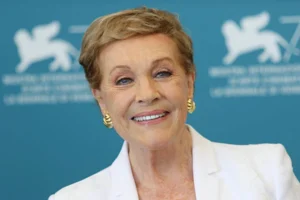
However, in the late 1990s, fans were stunned to learn that Andrews was experiencing serious vocal difficulties. What initially seemed like a manageable issue turned devastating after she underwent throat surgery in 1997 to remove noncancerous nodules. The procedure, which was intended to restore her singing ability, instead caused permanent damage to her vocal cords. The result was heartbreaking: the soprano who had once filled theaters and cinemas with effortless clarity could no longer sing as she once had. It was a loss that Andrews herself later described as deeply painful — not only professionally, but personally.
For years, she carried that grief quietly, choosing dignity over public complaint. Rather than allowing tragedy to define her, Andrews reinvented herself. She focused on acting, writing children’s books, narrating projects, and mentoring younger performers. Though her singing voice was altered, her presence, wit, and warmth remained untouched. In interviews, she has spoken candidly about the emotional toll of losing her voice, but also about the importance of resilience and gratitude — lessons she embraced during her recovery.
Today, at 89, Julie Andrews’ legacy is not measured solely by the notes she could no longer sing, but by the grace with which she faced adversity. Her story is not simply one of loss — it is one of endurance, reinvention, and unwavering spirit. For audiences who have cherished her for more than 50 years, she remains a symbol of strength and timeless artistry. And while the world may mourn the silencing of her golden voice, it continues to celebrate the extraordinary woman behind it.