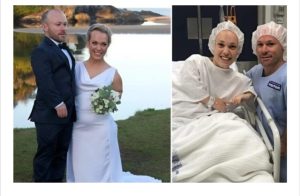
A Family Built on Love, Not HeightCharli Worgan and Cullen Adams—an Australian couple living with different forms of dwarfism—were repeatedly warned that having children could come with severe risks.Medical advice emphasized that their chances of having a healthy baby were extremely low, and that a child could face serious complications.
Still, the couple chose to pursue parenthood, focusing on what they could provide: a stable, loving home and a childhood grounded in confidence and acceptance. Today, they are parents to three children, and their story continues to resonate with families navigating disability, genetics, and difficult personal choices.
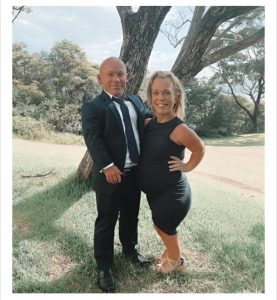
Two Different Genetic Conditions, Two Different Health Realities Charli and Cullen’s journey is shaped by the fact that they live with two separate conditions that affect growth and health in distinct ways:
Charli has achondroplasia (the most common form of dwarfism), which affects skeletal development and typically results in shorter limbs and characteristic bone-growth patterns.
Cullen has geleophysic dysplasia, a rare condition often associated with a more proportionate build, but with potentially serious risks involving the respiratory system and cardiovascular health.
Despite the complexity, the couple stayed committed to building a life—and a family—based on hope, planning, and support.
The High-Stakes Reality Doctors Discussed
For Charli and Cullen, pregnancy wasn’t simply “will the baby have dwarfism or not?” Their situation was framed around multiple possible genetic outcomes, including scenarios considered high risk.
Commonly discussed outcomes in cases like theirs included the possibility that a child could be born:
1.With average height
2.With achondroplasia (Charli’s condition)
3.With geleophysic dysplasia (Cullen’s condition)
4.With both genetic conditions, a scenario doctors warned could be life-threatening
This was the reality they faced each time they considered expanding their family.
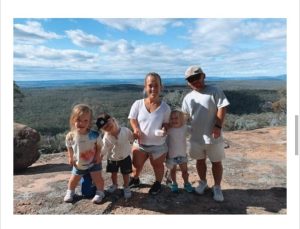
Their Three Children: A Story of Determination and Joy
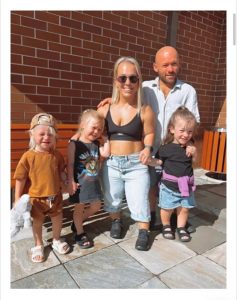
Charli and Cullen’s children reflect three different outcomes—each welcomed with the same message at home: you are loved, and you belong.
2015:
Their first child, Tilba
Born in 2015
Inherited Charli’s achondroplasia
Their second child, Tully
Born a few years later Reportedly inherited Cullen’s geleophysic dysplasia
2021:
Their third child, Rip
Born in 2021
Born with average height, becoming the first in their immediate family without dwarfism.
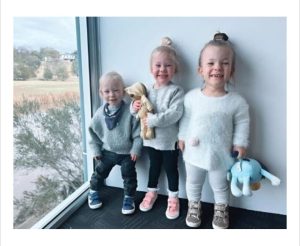
Raising Confident Kids in a World That Stares
The couple has spoken openly about the importance of raising children who feel proud—not “different in a bad way,” but different in a real and normal way. Their parenting approach centers on:
Building self-confidence early through everyday encouragement.
Teaching their children to respond to curiosity and negativity without shame.
Creating a home environment where disability is not hidden—it’s understood and respected.
Focusing on ability, personality, and values rather than appearance.
A Public Story That Sparks a Bigger Conversation
Who “should” become parents
How society defines a “healthy” or “acceptable” family
The balance between medical guidance and personal autonomy
The reality that family strength often comes from support, preparation, and love—not perfect circumstances
In the End, Their Message Is Simple
Charli and Cullen’s journey does not erase risk or complexity—but it proves something powerful: a family can thrive when it’s built on commitment, empathy, and resilience. Their children are growing up with a clear foundation: they are not defined by genetics—they are defined by love.